
Root canal treatment infections occur when bacteria infect the inner pulp of a tooth, often causing pain and swelling. These infections can usually be treated effectively with modern root canal procedures, saving the tooth and relieving discomfort. Understanding what causes these infections and how they’re managed helps patients feel more at ease during treatment.
While some infections can develop after root canal therapy, they are relatively rare thanks to advances in dental techniques and materials. Experienced dentists use careful cleaning and sealing methods to reduce infection risks and support faster healing. Knowing the signs of infection and when to seek care is important for maintaining oral health.
Patients often worry about pain and complications, but today’s root canal treatments focus on comfort and efficiency. With proper care and timely treatment, most infections heal without further issues. Encouraging open conversation with dental professionals helps in addressing concerns and finding the best path forward.
Tooth infections usually start quietly but can cause serious problems if ignored. Recognizing how these infections begin, their warning signs, and the risks of leaving them untreated helps patients take timely action and keep their smiles healthy.
Infections typically begin when bacteria enter the tooth’s inner pulp, which contains nerves and blood vessels. This breach can happen due to deep cavities, cracks, or trauma. Once bacteria reach the pulp, they multiply, causing inflammation and pressure inside the tooth.
This buildup can lead to an abscess—a painful pocket of pus—at the root tip. Without intervention, the infection may spread to surrounding bone and tissues, making it harder to treat. Root canal treatment removes this infected pulp, stopping the infection and saving the tooth.
Pain is the most common sign of tooth infection, often intense and persistent. It can worsen with chewing or exposure to hot, cold, or sweet foods. Swelling in the face or gums near the affected tooth is another clear warning.
Other symptoms include sensitivity to pressure, bad breath, and sometimes fever. If the infection spreads, patients might notice swollen lymph nodes or a general feeling of illness. Early detection is key; if these symptoms appear, dental consultation should be sought promptly.
Ignoring a tooth infection can lead to severe complications. The infection can spread beyond the tooth to the jawbone, surrounding tissues, or even other body parts in rare cases.
Untreated infections can cause abscesses that damage bone and teeth, increasing the risk of tooth loss. In some situations, the infection may contribute to systemic health problems, including heart or respiratory issues. Timely treatment not only resolves pain but prevents these serious outcomes by addressing the source directly.
Root canal treatment becomes necessary when the soft tissue inside a tooth, called the pulp, becomes infected or severely damaged. This section explains why this happens, why quick treatment is important, and clears up common misunderstandings about the procedure.
A root canal is often needed due to deep tooth decay that reaches the pulp, causing infection and inflammation. Cracks or chips in the tooth can also expose the pulp to bacteria. In some cases, repeated dental procedures on a tooth can stress the pulp and lead to damage.
Trauma to the tooth, even without visible damage, can cause the nerve to die and require treatment. Without intervention, the infection can spread beyond the tooth, causing pain and swelling, or potentially more serious health issues.
Seeking root canal treatment quickly helps prevent the infection from worsening. Delays can cause the infection to spread to surrounding tissues and even lead to abscess formation. An abscess is a pus-filled pocket that is painful and may require more invasive treatment.
Early care also means more of the natural tooth can be saved. Without prompt treatment, tooth extraction might be the only option. Quick treatment reduces discomfort and speeds up healing, keeping the mouth healthier overall.
Myth: Root canals are extremely painful.
Fact: Modern root canal treatment is no more uncomfortable than getting a filling. Local anesthesia ensures the procedure is pain-free.
Myth: Root canals cause illness.
Fact: There is no scientific evidence linking root canals to systemic diseases. Properly performed treatment removes infection and promotes healing.
Myth: Removing the tooth is better than a root canal.
Fact: Saving the natural tooth maintains chewing ability and jawbone health. Extraction should be a last resort.
Understanding these points can help patients feel more comfortable about root canal treatment and make informed decisions.
Root canal treatment removes infection inside a tooth to save it from extraction. It involves cleaning, disinfecting, and sealing the tooth’s inner spaces, helping to relieve pain and restore function.
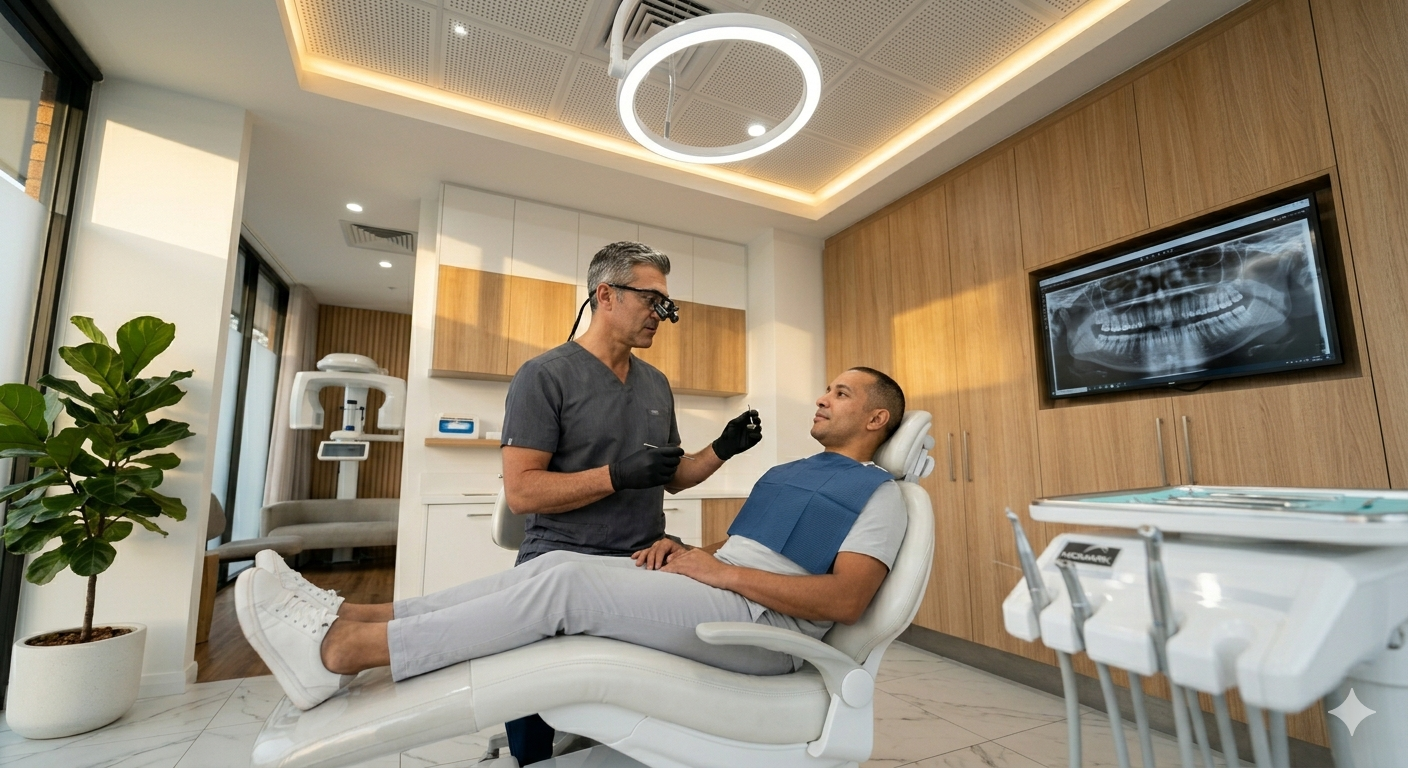
The dentist first takes an X-ray to locate the infection and assess the tooth’s condition. Then, local anesthesia is applied to numb the area, ensuring comfort.
They create a small opening in the tooth’s crown to access the pulp chamber. Using specialized tools, the infected pulp and bacteria are carefully removed. After cleaning the canals, they are shaped and rinsed with antibacterial solutions.
Finally, the cleaned canals are filled with a rubber-like material called gutta-percha to seal them. A temporary or permanent filling is placed to close the opening. Sometimes, a crown is recommended to protect and strengthen the tooth.
People usually spend about 60 to 90 minutes in the chair, depending on the tooth’s complexity. Most patients feel no pain because of effective anesthesia.
There might be some pressure sensations when the dentist cleans inside the tooth, but it shouldn’t be uncomfortable. After the procedure, it’s normal to feel mild sensitivity or tenderness around the treated area for a few days.
Dentists often schedule a follow-up visit to check healing and place a permanent crown if needed. Clear communication helps patients know what to expect and what steps come next.
Local anesthesia is the standard for root canal treatment, numbing the tooth and surrounding tissues fully. This keeps the procedure painless and calm.
If anxiety is a concern, sedation options like nitrous oxide (laughing gas) or oral sedatives may be offered to help patients relax. Severe cases might call for stronger sedation, but this is discussed beforehand.
After treatment, over-the-counter pain relievers such as ibuprofen or acetaminophen usually manage any discomfort. Dentists provide guidance on dosage and when to call if pain worsens.
Rest is important immediately after treatment; avoid chewing on the treated side until numbness wears off to prevent injury. Eating soft foods for a few days helps protect the tooth during early healing.
Oral hygiene remains crucial—gentle brushing and flossing around the area prevent new infections. Avoid hard, sticky, or very hot foods until the tooth is fully restored to prevent damage.
Follow all post-care instructions, including prescribed medications and follow-up visits. If swelling, severe pain, or unusual symptoms occur, contacting the dentist promptly is essential. Taking good care aids long-term success.
Maintaining oral health after a root canal is crucial to avoid new infections. It involves daily habits, protecting the teeth, and regular visits to the dentist. Each of these steps plays a vital role in keeping teeth strong and infection-free.
Consistent and thorough cleaning helps prevent bacteria buildup around root canal-treated teeth. Brushing twice a day with fluoride toothpaste removes plaque that can harbor harmful bacteria. A soft-bristled toothbrush is best to avoid irritating the gums or damaging dental work.
Flossing daily is equally important to clear debris between teeth where toothbrushes don’t reach. Patients should gently floss around the treated tooth to prevent injury. An antimicrobial mouthwash can reduce bacteria further, but it should complement, not replace, brushing and flossing.
Avoiding sugary foods and drinks limits the fuel for bacteria growth, lowering infection risk. Staying hydrated helps keep saliva flowing, which naturally protects teeth.
Teeth that have had root canal treatment can be more fragile, so protecting them from physical damage is key. Wearing a mouthguard during sports or activities that might cause cracks or chips helps prevent trauma.
Biting down on hard objects like ice, pens, or hard candies can weaken or break teeth. Patients should be mindful to avoid these habits. In some cases, dentists recommend crowns to add a strong protective layer over the treated tooth. This shields it from excessive biting pressure and reduces the risk of fractures.
Regular dental visits allow early detection of potential problems in root canal-treated teeth. Dentists check for signs of reinfection, cracks, or other issues that could cause pain or damage. X-rays during checkups provide a detailed look inside the tooth and surrounding bone.
Cleanings during these visits remove plaque and tartar buildup that daily brushing can miss. Dentists can also advise if additional treatments, like retreatment or crown repairs, are necessary to protect the tooth.
Scheduling checkups every six months or as recommended ensures any problems are caught quickly before becoming serious.
Recent innovations in root canal treatment have made procedures more precise, comfortable, and effective. These improvements focus on better diagnosis, less invasive approaches, and stronger materials for lasting results.
Digital imaging technology has transformed how dentists identify and treat root canal infections. Cone beam computed tomography (CBCT) provides 3D views of the tooth and surrounding tissues, revealing hidden canals and infection sites that traditional X-rays might miss. This precision helps avoid unnecessary treatments and improves success rates.
Digital sensors also reduce radiation exposure compared to conventional films, offering a safer experience. Dentists can quickly share these images with patients, explaining the problem clearly and building trust. This technology speeds up diagnosis and treatment planning, helping patients feel informed and confident.
Modern root canal treatments aim to preserve as much natural tooth structure as possible. Smaller, more flexible nickel-titanium files are used to clean infected root canals efficiently while minimizing damage. These instruments can navigate complex canal shapes, reducing discomfort and improving outcomes.
Microscopes provide enhanced visibility, allowing dentists to spot hidden canals and tiny cracks. Laser-assisted techniques also help sterilize canals more effectively, lowering the chance of reinfection. These less invasive methods generally lead to shorter treatment times and faster recovery, making the whole process gentler for patients.
The materials used in root canal treatment have greatly advanced, focusing on durability and biocompatibility. Bioceramic sealers are now commonly used to fill root canals because they bond well with tooth tissue and resist leakage better than older materials.
These sealers promote healing by sealing microscopic gaps where bacteria could enter. Additionally, advanced filling materials adapt to canal shapes, ensuring a tighter, more reliable fit. Restorative crowns made from strong ceramics or composites protect the treated tooth from fracture and reinfection.
Better materials mean root canal-treated teeth can stay strong and functional for many years, reducing the need for retreatment or extraction.
If pain around a treated tooth lingers or worsens beyond a few days, it’s important to reach out to a dentist. Persistent or increasing discomfort can signal an infection that needs prompt attention.
Swelling in the face, gums, or jaw near the root canal site requires immediate dental care. This could indicate a spreading infection that shouldn’t be ignored.
Other signs to watch for include:
If any of these symptoms appear, calling a dental office right away helps prevent complications. Dentists can assess the situation and recommend treatments such as antibiotics or additional procedures.
Regular follow-ups after a root canal help dentists catch problems early. Patients unsure about unusual symptoms should never hesitate to get an expert opinion for peace of mind and proper care.
Root canal infections can sometimes return or cause issues even years after treatment. Knowing the signs, what to do, and how treatments work helps patients feel more confident and comfortable.
Persistent pain or new discomfort near the treated tooth is a common warning sign. Swelling, tenderness, or a pimple-like bump on the gum also indicate possible reinfection.
Sometimes, sensitivity to hot or cold or a bad taste in the mouth can appear even after years of having the root canal done.
If swelling or jaw pain develops, it’s important to contact the dentist promptly. These symptoms can signal an infection that may require treatment before it worsens.
Applying a cold compress can reduce swelling temporarily, but professional care is necessary to address the root cause.
The dentist may recommend retreatment, which means cleaning out the infection and resealing the root canals. In some cases, surgery called an apicoectomy might be needed to remove infection at the root tip.
If the infection persists, extraction followed by tooth replacement options could be considered.
Symptoms usually improve within a few days to a week after treatment. Minor discomfort and tenderness are normal, but pain should steadily decrease.
Lingering or worsening pain beyond two weeks should be checked by a dental professional.
Mild pain, swelling, and sensitivity for a few days are common and expected.
However, increasing pain, swelling, fever, or pus drainage are signs to call the dentist immediately.
Dentists use specialized instruments and disinfecting solutions like sodium hypochlorite to clean out bacteria from inside the tooth.
Ultrasonic tools and antibacterial medications may also be applied to ensure thorough sterilization before sealing the canals.