
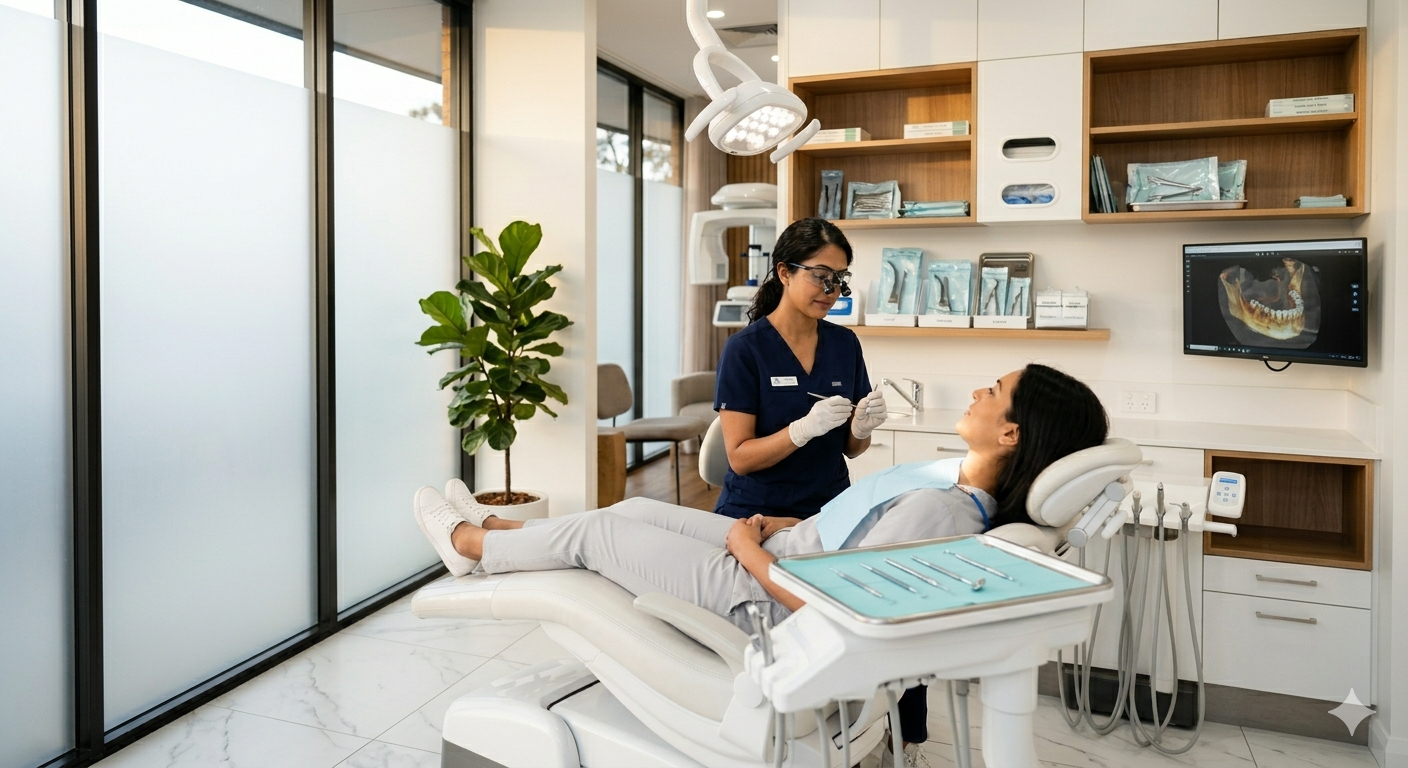
Dental infections can become serious quickly, especially when they cause intense pain or swelling. Emergency dental care in Brooklyn, NY, focuses on providing fast relief and effective treatment to stop infections before they worsen. People experiencing severe tooth pain, fever, or noticeable swelling should seek immediate help to prevent complications.
Local dental clinics in Brooklyn are equipped with modern tools to diagnose infections early and offer treatments such as antibiotics, drainage, or root canals. These urgent visits prioritize patient comfort while addressing the infection efficiently. Knowing where to turn during a dental emergency can save time and reduce anxiety.
If someone is facing a dental infection, timely care can protect their overall health and avoid more complex procedures later. Professional dental teams in Brooklyn encourage reaching out promptly with any concerns or symptoms to get the right care without delay.
Dental infections in Brooklyn, NY, often start subtly but can escalate quickly. Knowing the specific symptoms, when pain demands urgent care, and the risks infections pose beyond the mouth helps patients act promptly and protect their health.
Infections usually cause localized pain that worsens over time. Patients might notice persistent toothache that throbs or sharpens when biting. Swelling around the gums or jaw is a strong sign, especially if accompanied by redness or warmth.
Other common symptoms include bad breath that doesn’t improve with brushing, a bad taste in the mouth, and sensitivity to hot or cold. Sometimes, a visible pus-filled bump (abscess) appears on the gums. Fever and general fatigue can also occur if the infection spreads. Monitoring these symptoms early helps prevent complications.
Not all dental pain needs immediate ER visits, but certain indicators are red flags. Difficulty swallowing, breathing problems, or swelling that spreads to the neck or face require urgent attention. Sudden severe pain with fever over 101°F or chills indicates the infection may be worsening.
If swelling causes the jaw to lock or makes it hard to open the mouth, it’s a serious concern. Additionally, intense pain that doesn’t ease with over-the-counter medication or worsens at night should prompt an urgent dental visit. Quick treatment can reduce the risk of dangerous spread.
Untreated infections in the mouth might extend to other parts of the body. Bacteria can enter the bloodstream, leading to systemic issues like endocarditis, an infection of the heart lining.
Infections can also impair immune response or worsen conditions like diabetes. For some, dental infections increase the risk of respiratory problems if bacteria are inhaled into the lungs. This makes early identification and treatment of dental infections critical for overall well-being.
Ignoring dental infections or pain can quickly lead to serious health problems. Immediate steps help prevent worsening symptoms and avoid costly, complex treatments later.
When dental infections go untreated, bacteria can spread to surrounding tissues, causing abscesses or cellulitis. These infections sometimes reach the jawbone, leading to osteomyelitis, a painful bone infection.
Delays also increase the risk of tooth loss. Untreated cavities or gum disease weaken tooth structures, making them more likely to break or require extraction.
In rare cases, infections may enter the bloodstream, causing sepsis, a life-threatening condition. For people with compromised immune systems or diabetes, this risk is significantly higher.
Getting prompt emergency dental care limits the spread of infection and reduces pain more effectively. Early treatment usually means less invasive procedures, like simple root canals or fillings, instead of surgery.
Timely care also lowers the chance of needing multiple appointments and extensive follow-up work. Quick action protects overall health, including heart and respiratory systems.
Dental professionals in Brooklyn focus on swift diagnosis and comfortable treatment to ease patient stress. They encourage contacting their office as soon as symptoms appear to secure the best outcomes.
When seeking emergency dental care for infections, patients can expect a clear and focused approach. The visit typically begins with a quick but thorough review of symptoms and examination. Relief and diagnosis often happen within the same appointment.
The dentist starts by asking detailed questions about pain levels, swelling, and how long symptoms have been present. They will perform an oral exam, checking for visible signs of infection like redness, pus, or damaged tissue.
X-rays or other imaging may be used to locate the exact source of infection, such as an abscessed tooth or gum infection. This step is crucial to determine if antibiotics, drainage, or further procedures are necessary. The goal is a fast, accurate diagnosis that guides immediate treatment.
Pain control is a priority during emergency visits. Dentists commonly use local anesthetics to numb the affected area quickly. This allows immediate relief and enables them to work without causing extra discomfort.
Over-the-counter pain medications like ibuprofen are often recommended, along with prescriptions if the pain is severe. For infections, antibiotics may be started promptly to reduce pain and swelling by addressing the root cause. Patients receive clear instructions on managing pain at home and know when to return for follow-up care.
Emergency dental infections in Brooklyn are treated with methods that focus on reducing discomfort quickly and preventing further complications. Modern approaches aim to preserve as much of the natural tooth as possible while controlling infection effectively.
Dentists now favor minimally invasive procedures to address infections. Instead of removing the entire tooth, treatments like root canals clean out infected tissue while saving the tooth structure. This reduces recovery time and preserves chewing function.
Drainage of abscesses may be done using small incisions, which lowers pressure and pain without major surgery. Laser therapy is sometimes used to sterilize infected areas, promoting faster healing. These techniques focus on patient comfort and minimizing trauma during emergency care.
Antibiotics are prescribed only when infections have spread beyond the local area or when the immune response needs support. They are not always necessary for every dental infection. Overprescribing can lead to resistance and side effects.
Common antibiotics include amoxicillin or clindamycin for penicillin-allergic patients. Dentists carefully evaluate symptoms such as fever, swelling, or difficulty breathing to decide if medication is required alongside other treatments. Following the prescribed dosage and duration is critical for effective infection control.
Preventing dental infections is largely a matter of daily care and regular professional visits. Simple habits and timely checkups can stop many problems before they start and keep infections at bay.
Brushing twice a day with fluoride toothpaste removes plaque, the main cause of infections. Flossing daily cleans between teeth where a brush can’t reach, reducing bacteria buildup.
Limiting sugary snacks and drinks helps because sugar feeds harmful bacteria. Drinking water after meals washes away food particles. Using an antimicrobial mouthwash can reduce germs, especially if brushing isn’t possible right away.
Avoiding tobacco products is crucial since smoking weakens the immune system and increases infection risk. Keeping a consistent routine with these habits creates a strong defense against gum disease and tooth decay.
Dentists catch early signs of infection that you might miss, like small cavities or gum inflammation. Professional cleanings remove tartar, hardened plaque that brushing can’t eliminate.
X-rays during visits reveal hidden problems below the surface, allowing prompt treatment. Regular exams also let dentists assess risk factors like dry mouth or medical conditions affecting oral health.
Early intervention prevents minor issues from becoming painful emergencies. Patients benefit from personalized advice and treatments tailored to their specific needs, ensuring their smiles stay healthy longer.
Finding a dental provider in Brooklyn who is equipped to handle emergencies and infections quickly is essential. The right practice combines experience, availability, and a patient-centered approach to ease your concerns when urgent care is necessary.
Emergency dental care providers should offer prompt access, ideally with same-day or next-day appointments. Clinics with 24/7 availability or an after-hours hotline make a big difference when dealing with sudden infections or pain.
Experience in treating infections specifically is crucial. Look for providers who use modern diagnostic tools like digital X-rays and follow evidence-based infection control protocols. Check if they offer sedation or pain management options to ensure your comfort during treatment.
Reading patient reviews and verifying their credentials with New York dental boards can give additional assurance. Facilities equipped for emergencies often have onsite labs or partnerships with specialists to speed up treatment decisions.
Before booking an emergency dental appointment, ask about their wait times and how they handle urgent cases during peak hours. It helps to know if they have a streamlined process to prioritize infection-related emergencies.
Inquire about their approach to antibiotic use and pain control, especially if you have allergies or preferences. Clarify insurance coverage, payment options, and if they accept walk-ins for unforeseen emergencies.
Also, ask if they provide follow-up care or referrals if your condition requires specialist intervention. These details prepare you for a smoother, less stressful visit if emergency issues arise.
When infection strikes, prompt action is essential. A dental professional in Brooklyn will typically start with a thorough examination to confirm the infection and its severity. They may use X-rays or other tools to pinpoint the problem.
Treatment often begins with antibiotics to control the infection. Pain relief is also prioritized, using medications or numbing techniques to keep discomfort manageable. In some cases, drainage or minor surgical intervention might be necessary to remove abscesses.
Patients are encouraged to maintain good oral hygiene to support healing. Gentle brushing, flossing, and rinsing with warm salt water can help reduce bacteria and soothe the mouth. Staying hydrated and avoiding irritants like tobacco or alcohol also promotes recovery.
Here’s a simple checklist to follow if experiencing a dental infection:
Brooklyn dentists often provide personalized advice based on the individual’s health and infection level. They’ll discuss follow-up care, preventive measures, and how to watch for signs of recurring problems. Taking those steps helps patients move from discomfort to recovery with confidence.
If the infection worsens or symptoms don’t improve, contacting the dental office promptly is important. That quick response can prevent complications and support smoother healing.
Emergency dental infections in Brooklyn require quick action to prevent serious complications. It’s important to know when to seek care immediately and how to prepare for your visit. Understanding insurance options and home care can also make a big difference.
Severe pain that doesn’t improve with over-the-counter medication is a key warning sign. Swelling around the face or neck, fever, difficulty swallowing or breathing, and pus discharge are urgent symptoms.
Delaying treatment with these signs can lead to serious health risks. Immediate care is important to avoid spreading infection or complications.
Many Brooklyn dental offices accept walk-ins for emergencies, but availability depends on the clinic. Some patients may be seen within an hour; others might wait longer during busy times.
Calling ahead can help you get an estimated wait time. If pain or swelling worsens, seek care as soon as possible.
A few Brooklyn dental clinics provide 24-hour emergency services, but this is not common everywhere. If pain starts overnight, it’s best to call an emergency hotline or visit an urgent care center.
Using a cold compress and staying calm can reduce pain until professional care is available. Avoid touching or poking the infected area.
Rinse the mouth gently with warm salt water several times a day. Avoid hot or cold drinks if they increase pain. Over-the-counter painkillers can help manage discomfort temporarily.
Do not apply aspirin directly to the gums, and avoid chewing on the side with the infection. Keeping the head elevated may reduce swelling.
Yes, many emergency dentists in Brooklyn accept Medicaid and Healthfirst. Bring your insurance card, photo ID, and any recent dental records if available.
Confirm coverage before your visit to understand what services are included. Some treatments may require prior approval.
Sliding scale fees and payment plans are often available at community clinics or dental schools. Some offices offer discounts for uninsured patients.
It’s important to call ahead and discuss payment options. Ignoring dental infections can lead to higher costs, so prompt care is the safest choice.